
Written By: Emilee Mailhot
At WonderTrek, we believe children are natural explorers. When given time, space, and interesting materials, they investigate, experiment, and discover in ways that often surprise us.
Rather than starting with a lesson plan or predetermined outcome, our team begins by watching what children actually do and how they explore with each other. What captures their attention? What do they try next? How do they use materials, spaces, and each other to explore ideas?
To learn from these moments, we use the WonderTrek Inquiry (WTI) process. Each inquiry begins with a simple question about children’s experiences. Our team then creates an invitation to explore—a setup, activity, or environment designed to spark curiosity and interaction.
As children engage with the experience, staff observe and document what happens. We pay attention to children’s actions, conversations, and the ways they use materials and spaces. Afterward, our team reflects together on what we noticed, looking for patterns and insights that help us better understand how children are exploring and learning.
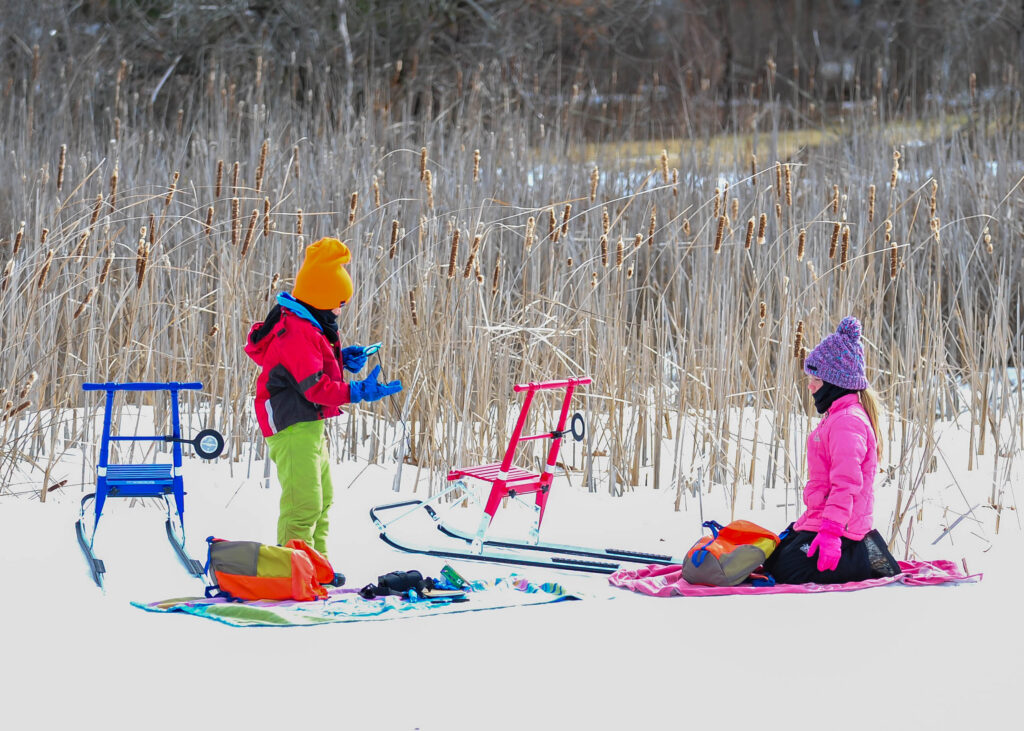
The goal isn’t to evaluate children—it’s to learn from them.
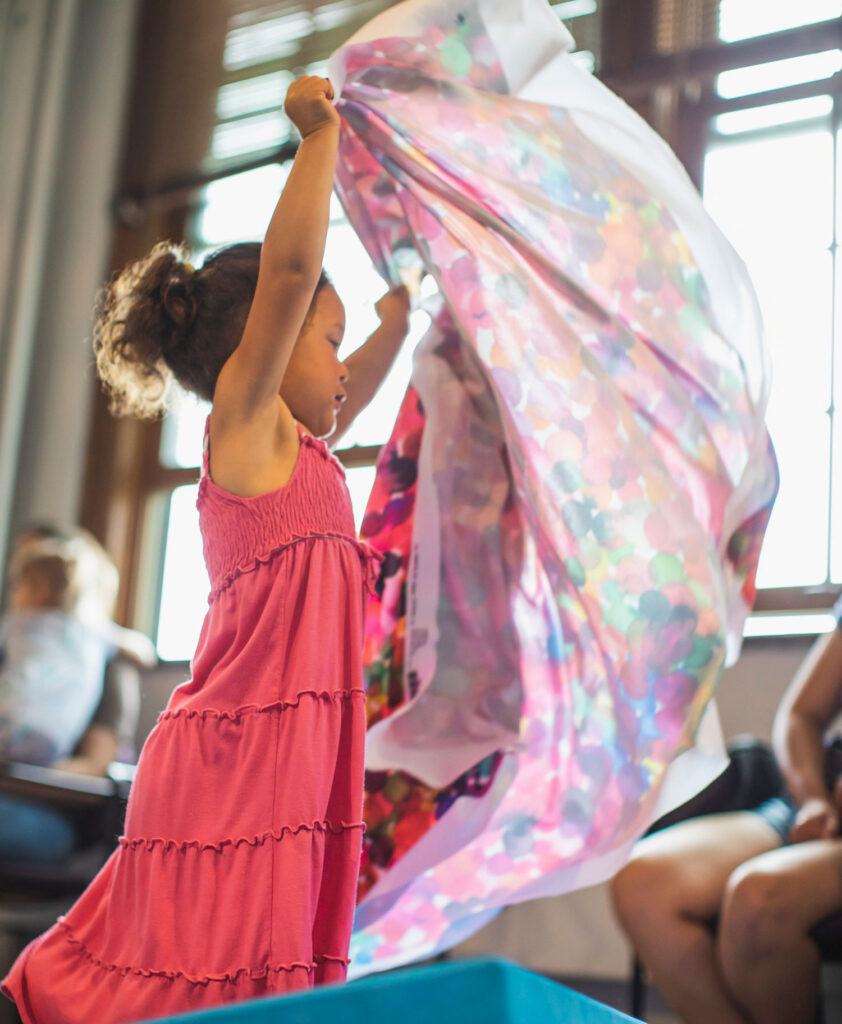
As we reflect on what we observe, we also consider the Play Conditions that support meaningful exploration. Play Conditions are the elements of an environment—such as materials, relationships, freedom to explore, and the overall setting—that help children feel invited to investigate, experiment, and follow their curiosity.
What we notice through inquiry helps guide the development of WonderTrek’s programs, exhibits, and environments. When we pay close attention to how children interact with the world around them, we gain insights that help us create spaces where curiosity can continue to grow.
The WonderTrek Inquiry process allows us to keep learning, adapting, and improving as we go. Each observation becomes part of a larger picture that helps us better understand how children explore—and how we can support that exploration.