
How changing seasons invite movement, curiosity, and confidence
A puddle after a spring rain. A pile of colorful autumn leaves. Fresh snow waiting for the first footprints.
To adults, these might be ordinary signs of changing seasons. To children, they can invite exploration.
Here in Minnesota, the outdoors changes dramatically throughout the year. Each season brings different textures, temperatures, materials, and opportunities for discovery. And while the weather may change, children’s curiosity doesn’t have to stop.
At WonderTrek, we believe outdoor play is an important part of childhood, not just a summertime activity. That’s why our Outdoor Adventure campus invites exploration throughout the changing seasons, with spaces for children to move, investigate natural materials, take on new challenges, and follow their curiosity. From the trails and Children’s Gardens to the opportunities for building and creating in Roots & Rigging, the environment offers possibilities that change along with the weather. Research gives us even more reasons to embrace outdoor exploration throughout the year.
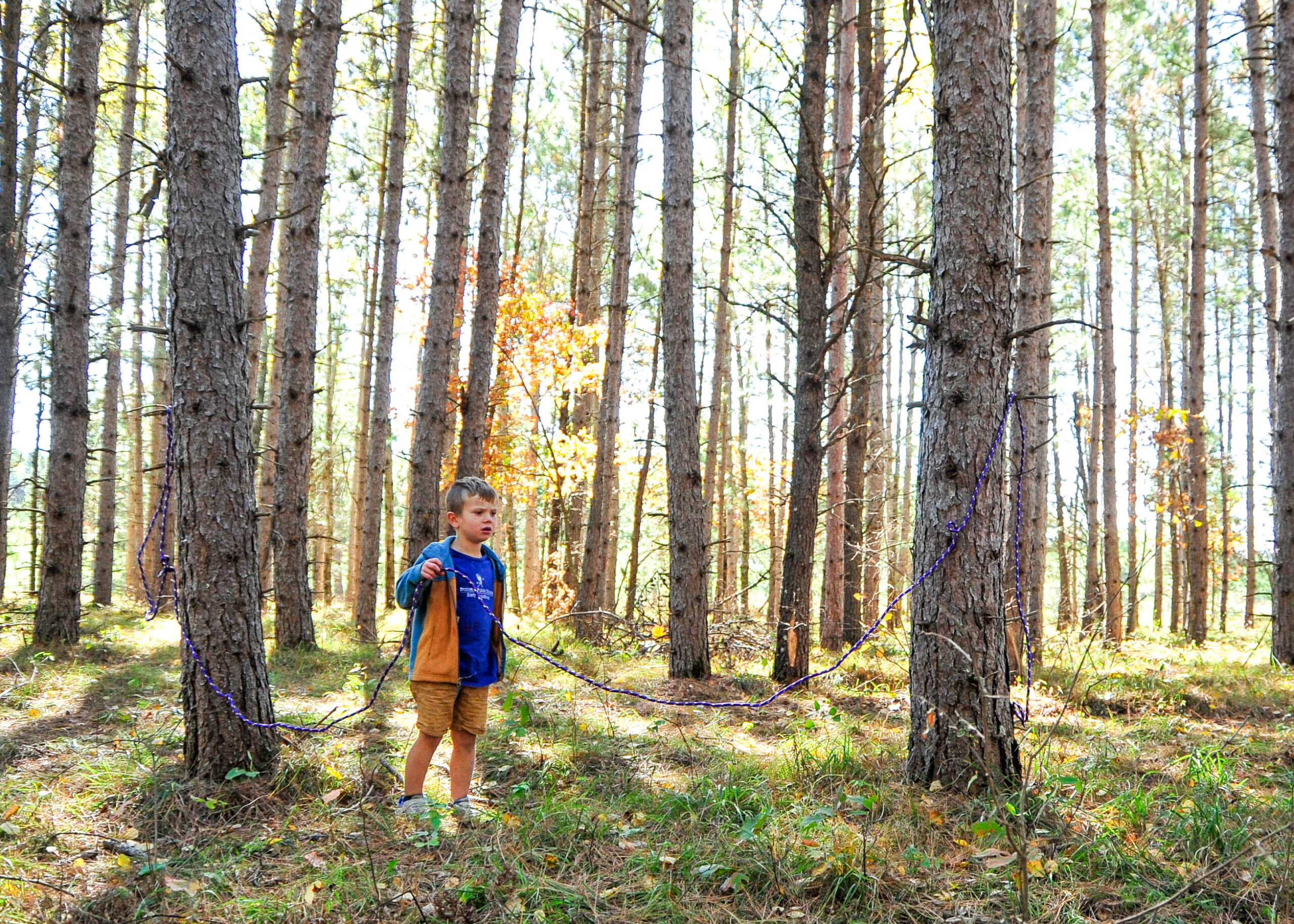
More Room to Move
Outdoor environments offer children opportunities to run, climb, balance, jump, and explore using their whole bodies.
A 2025 systematic review examining 61 studies found that active outdoor play was consistently associated with higher levels of physical activity, particularly moderate-to-vigorous movement. The researchers also found that children generally spent less time sedentary outdoors than indoors, although they cautioned that the certainty of evidence was limited. [1]
And outdoor movement doesn’t have to look the same every day. Walking through snow, navigating uneven ground, and balancing on natural surfaces all present different physical challenges.
Each season changes the landscape, offering children new ways to move and explore.
Curiosity Around Every Corner
Nature is constantly changing, and those changes create opportunities for children to notice, wonder, and investigate.
What happens when water freezes? Why do some leaves change color? Where do insects go when temperatures drop?
The American Academy of Pediatrics highlights outdoor play as an opportunity to support children’s curiosity, creativity, attention, and critical thinking. [2]
Unlike an activity with a predetermined outcome, outdoor exploration offers countless possibilities. A fallen branch might become a building material, a patch of mud might inspire experimentation, and a snowy hillside might invite an entirely new challenge.
The environment provides the invitation. Children decide where their curiosity takes them.
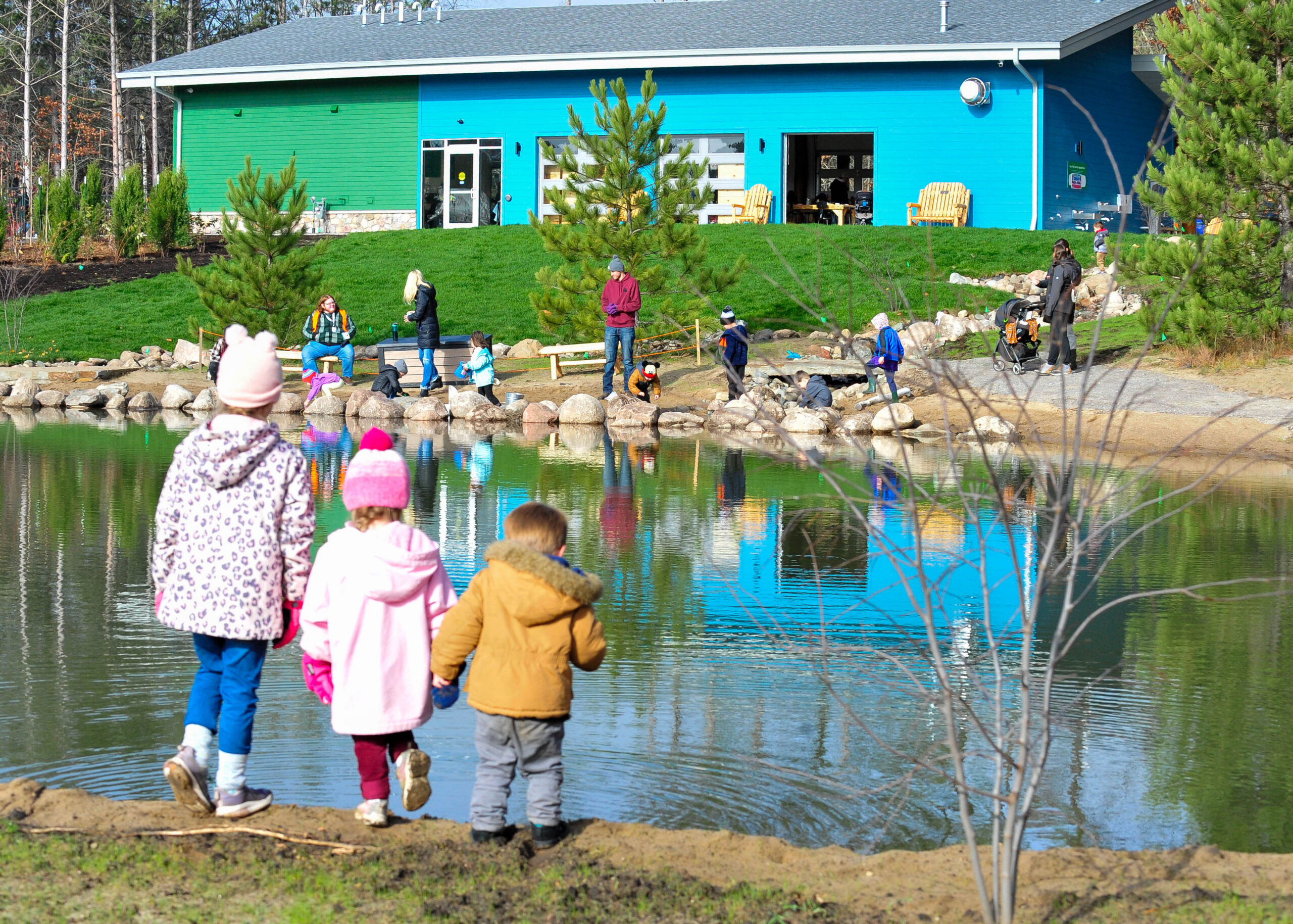
Growing Through Challenge
Outdoor play also offers opportunities to encounter uncertainty, make decisions, and try something difficult.
A slippery surface, an unfamiliar path, or a structure that’s just a little challenging to climb can invite children to assess their abilities and adjust their approach.
A 2026 review of 40 studies on nature-based risky play and outdoor adventure identified positive associations with confidence, resilience, physical skills, and children’s independence. However, the researchers also emphasized the need for stronger long-term research. [3]
These experiences aren’t about exposing children to unnecessary danger. They’re about providing appropriate opportunities to explore manageable challenges, with adults nearby to offer support when needed.
Every Season Has Something to Offer
Spring brings puddles, mud, and emerging plants. Summer offers opportunities for water exploration, climbing, and extended outdoor adventures. Autumn transforms familiar spaces with falling leaves and changing colors. Winter introduces snow, ice, and an entirely different landscape to investigate.
Of course, enjoying outdoor play year-round means preparing for the weather. Appropriate clothing, hydration, warming breaks, and attention to extreme temperatures help keep outdoor experiences comfortable and safe. The American Academy of Pediatrics emphasizes that children are particularly vulnerable to extreme cold and need protection from frostbite and hypothermia. [4]
The goal isn’t to stay outside regardless of conditions. It’s to recognize that, when conditions are appropriate, every season can offer meaningful opportunities for play.
Keeping Curiosity Alive All Year
At WonderTrek, our commitment to outdoor adventure reflects a simple belief: children benefit from having opportunities to explore the world around them.
Our Outdoor Adventure campus in Baxter invites children and families to discover how nature, movement, materials, and changing seasons can inspire play.
Whether children are investigating a puddle, building with natural materials, or navigating a snowy trail, outdoor experiences offer opportunities to ask questions, test ideas, and discover what they’re capable of.
The seasons may change, but the possibilities for discovery never end.
Research and References
[1] James, M. E., et al. (2025). A systematic review and meta-analyses of the relationships between active outdoor play and 24-hour movement behaviors. Journal of Sport and Health Science.
https://doi.org/10.1016/j.jshs.2025.101115
[2] Glassy, D., & Tandon, P. (American Academy of Pediatrics, updated 2026). Playing Outside: Why It’s Important for Kids. HealthyChildren.org.
https://www.healthychildren.org/English/family-life/power-of-play/Pages/Playing-Outside-Why-Its-Important-for-Kids.aspx
[3] (2026). Risky Outdoor Play and Adventure Education in Nature for Child and Adolescent Wellbeing: A Scoping Review. Behavioral Sciences.
https://pmc.ncbi.nlm.nih.gov/articles/PMC12837311/
[4] American Academy of Pediatrics. Playing Outside in Winter: Tips to Keep Kids Warm & Safe. HealthyChildren.org.
https://www.healthychildren.org/English/safety-prevention/at-play/Pages/Winter-Safety.aspx
Give to Wonder
Join us as we reimagine learning through child-led play, outdoor exploration, and hands-on discovery.Your gift helps build a museum where every child can discover, create, and belong.