
How WonderTrek Designed a Museum by Listening First
Long before exhibit plans were finalized, before spaces were named, and before WonderTrek began building the museum our community will soon experience, we asked a simple question:
What if children helped design it?
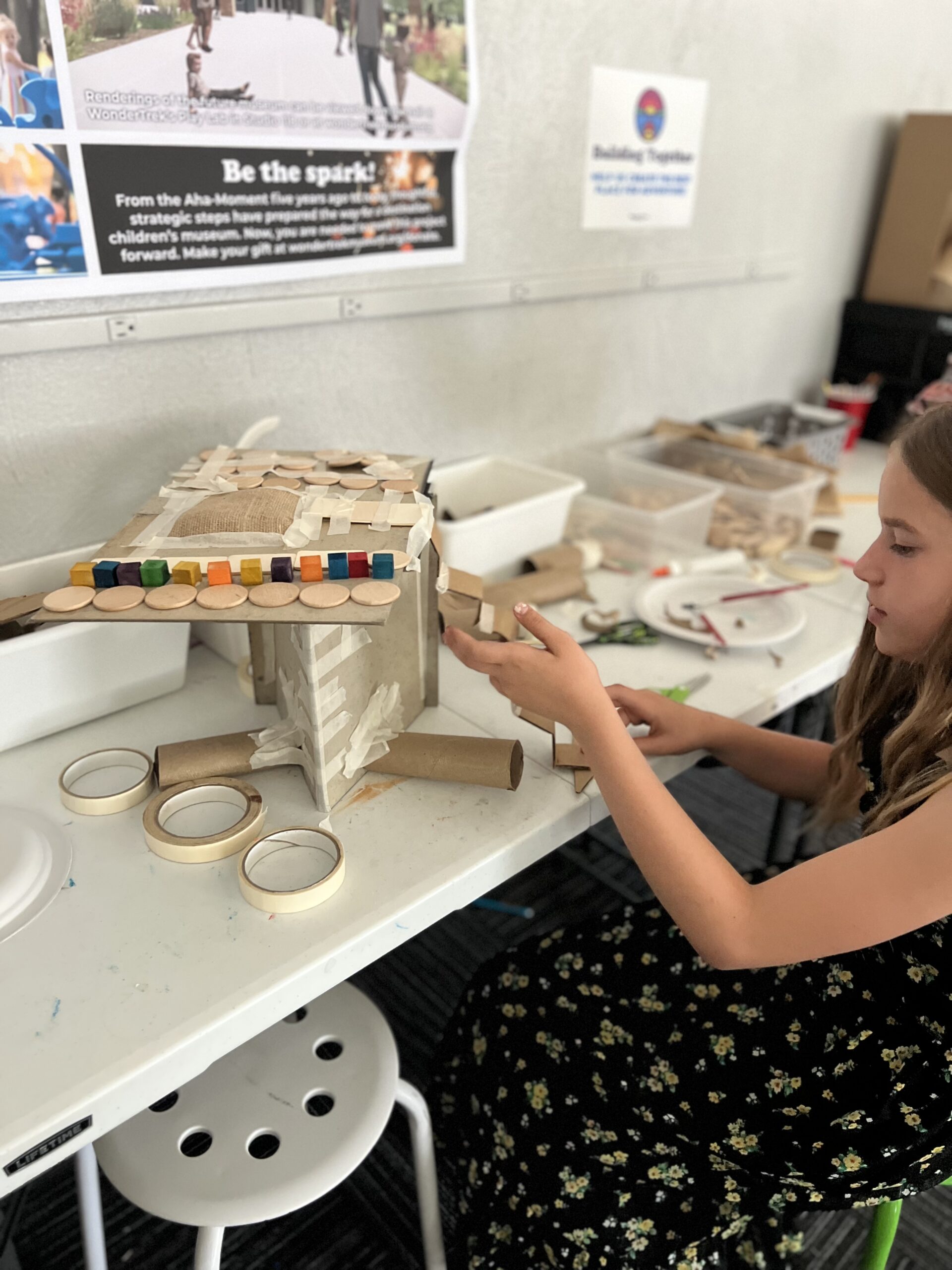
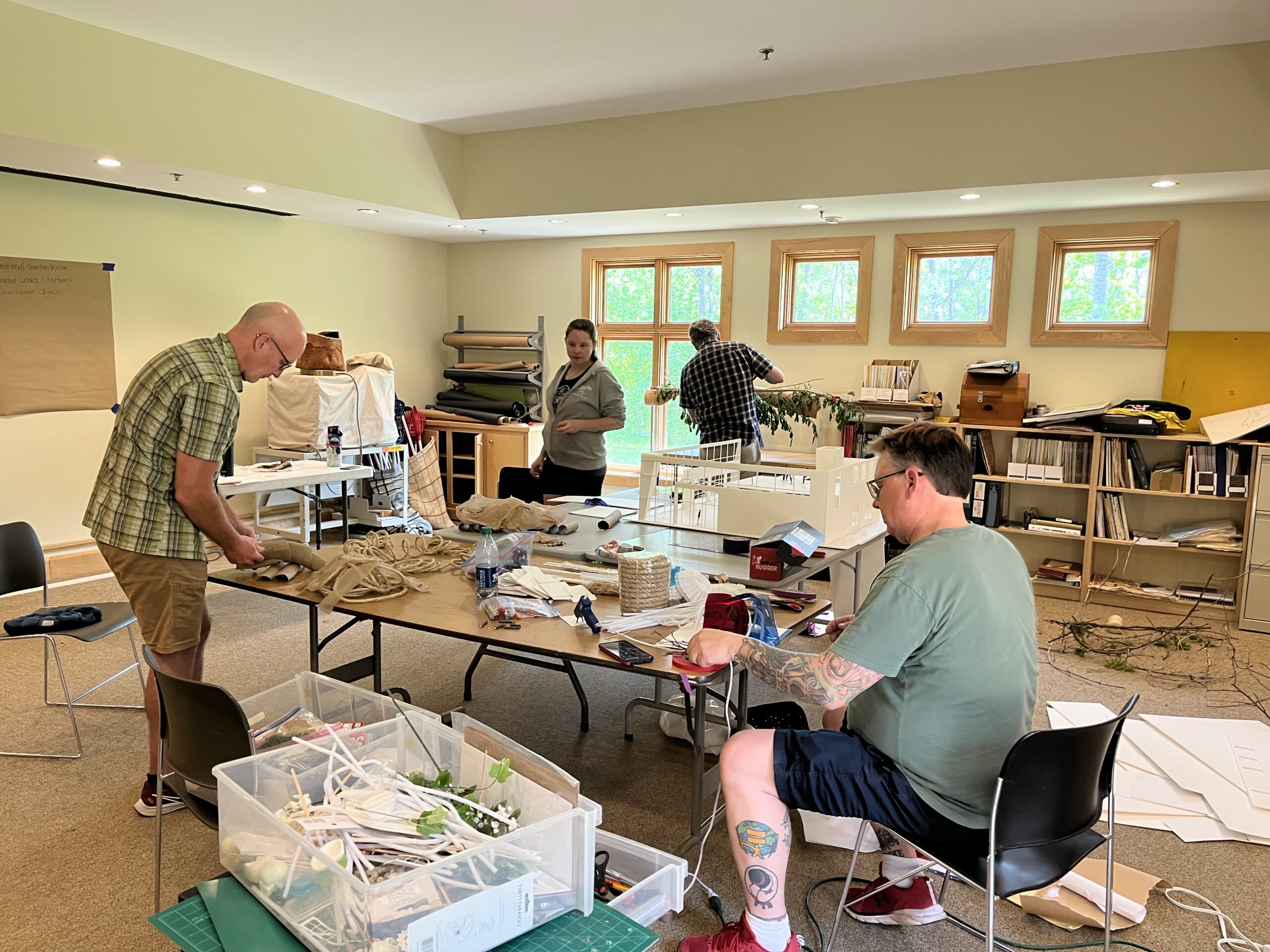
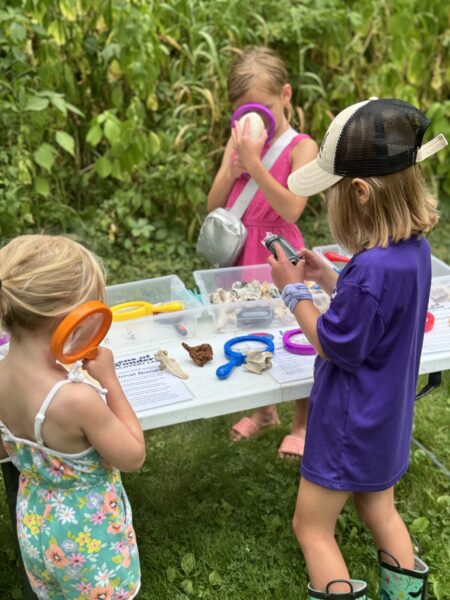
At WonderTrek, we have spent years intentionally observing children at play and allowing what they show us to directly influence what we build.
Rather than making decisions based solely on what adults believe children need, our team has used the WonderTrek Inquiry (WTI) process to study how children naturally explore, solve problems, interact with materials, and move through the world around them.
What emerged wasn’t just research. It became the blueprint for the museum itself.
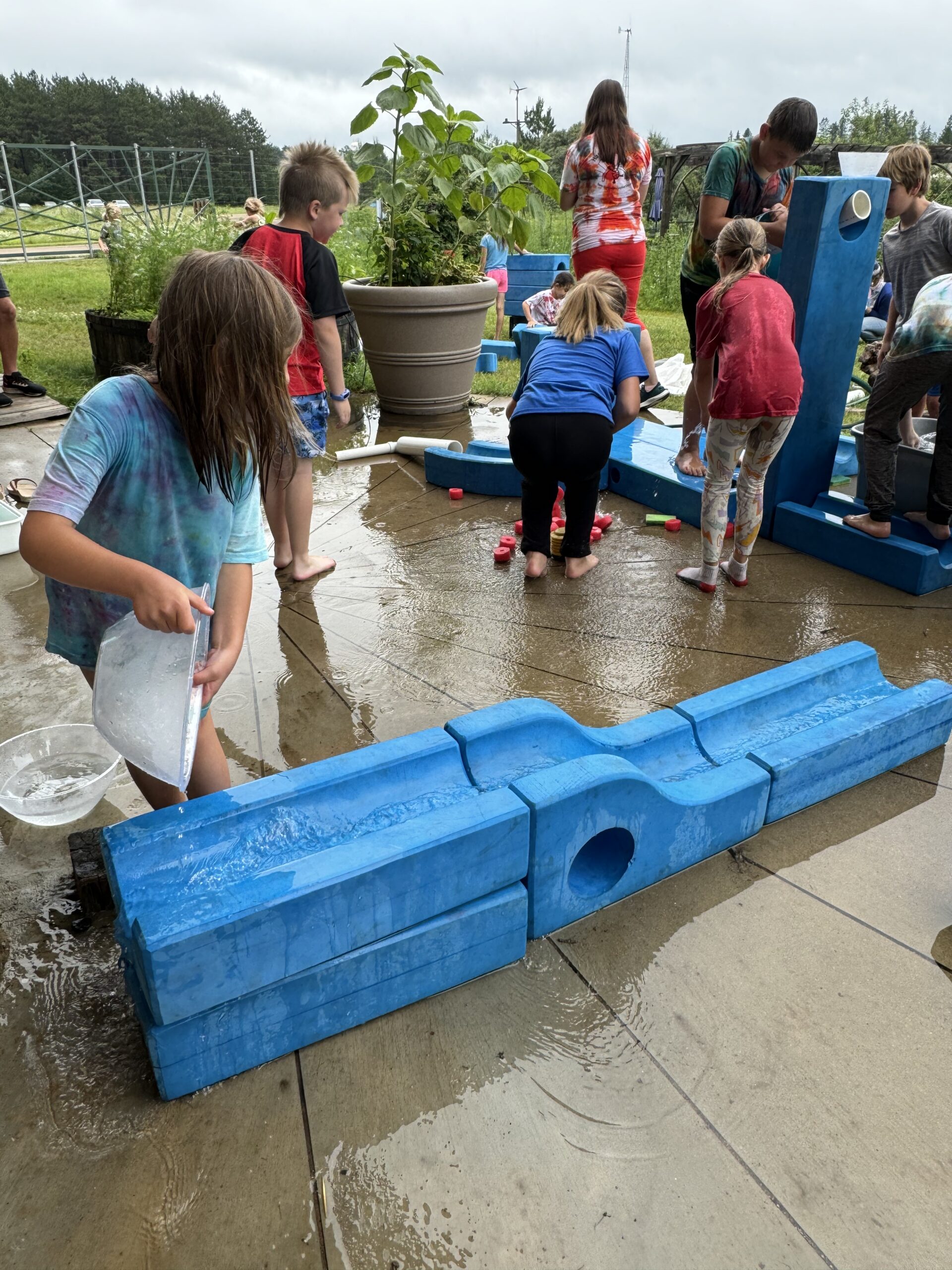
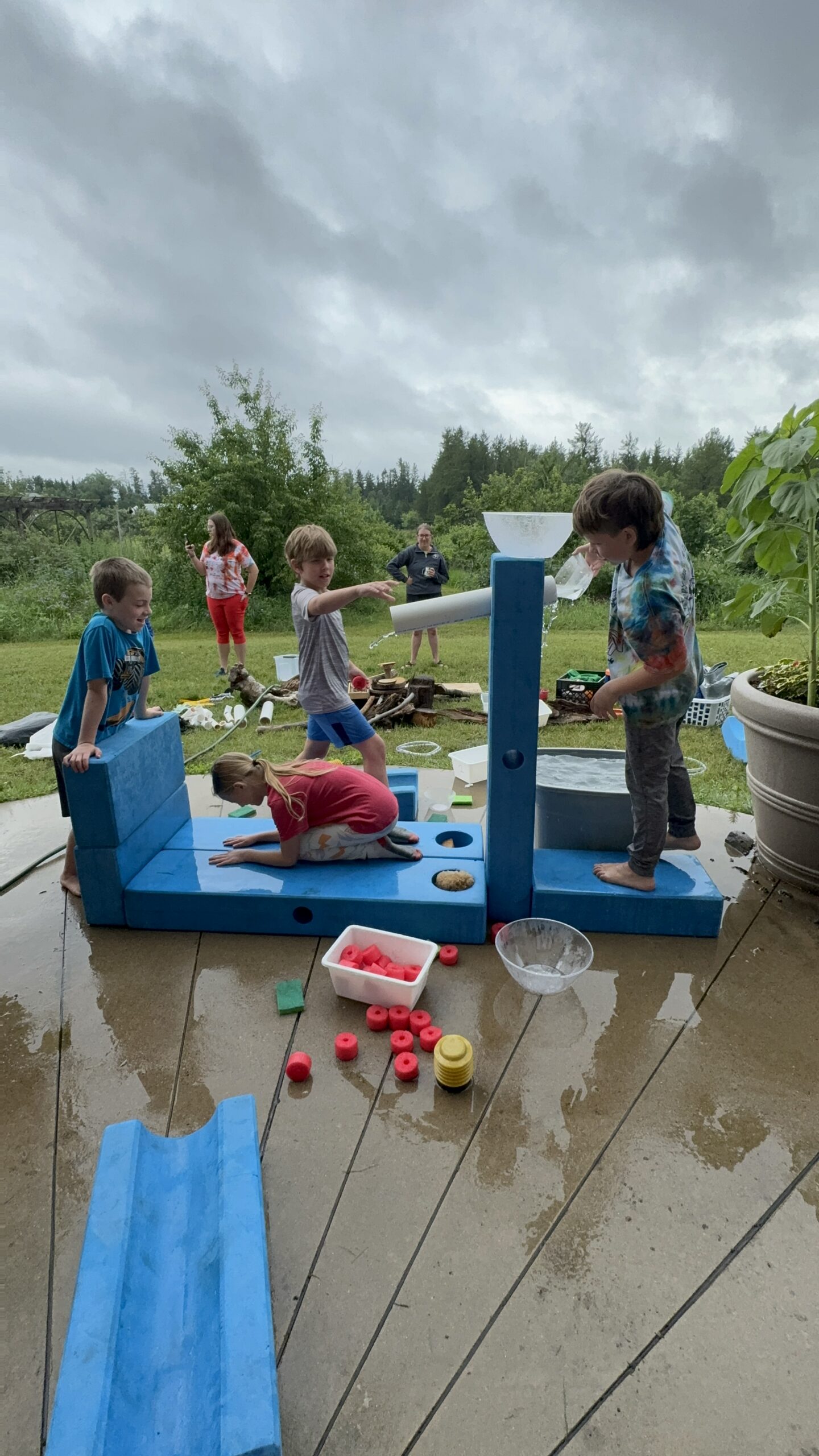
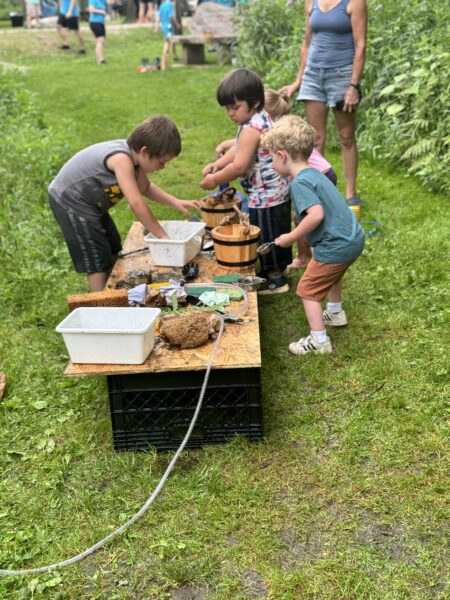
Over time, children consistently showed us that water is far more than something fun to splash in.
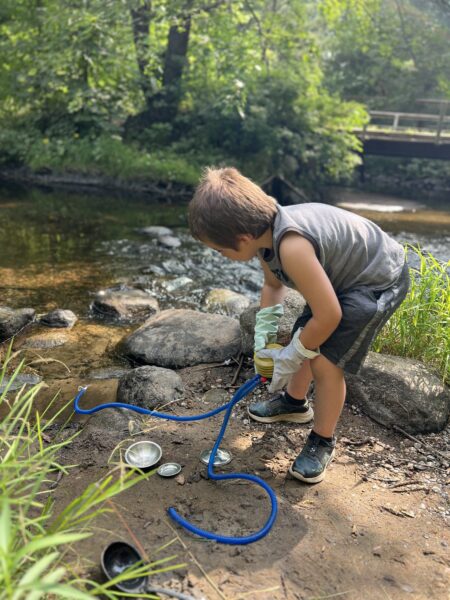
When given opportunities to experiment with water, children naturally began redirecting flow, testing cause and effect, building barriers, adjusting strategies, and working through complex problems without instruction. We watched children repeat actions over and over, experimenting until they understood how to make systems work.
Because of what children showed us, WonderTrek designed Water on the Move as an experience centered around experimentation, engineering, and giving children direct control over movement and flow.
Children also shaped the design of our outdoor spaces.
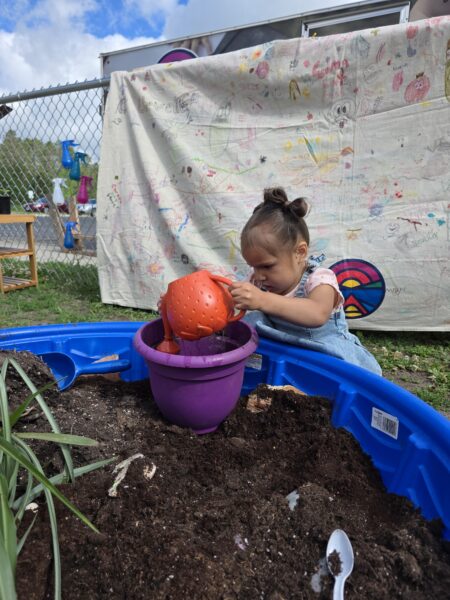
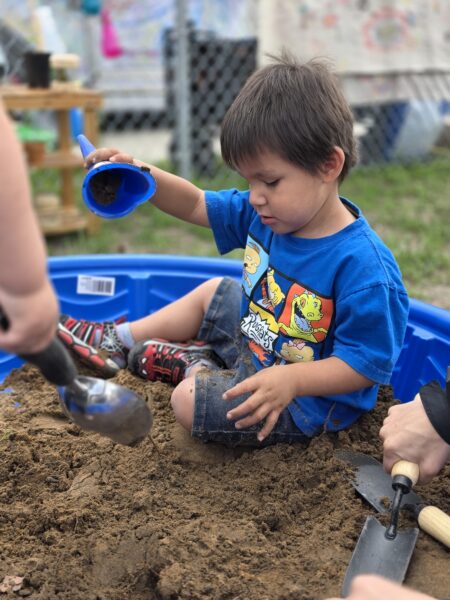
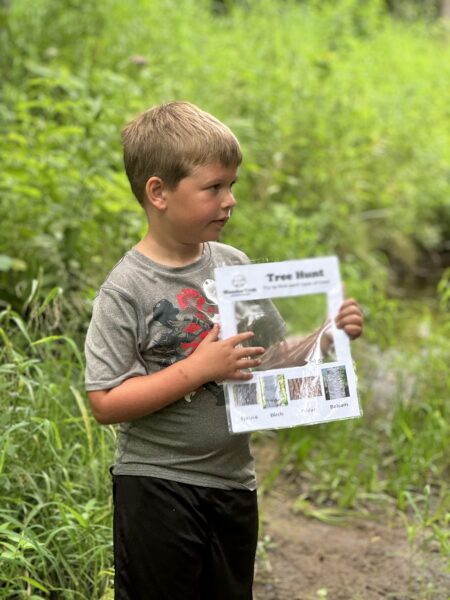
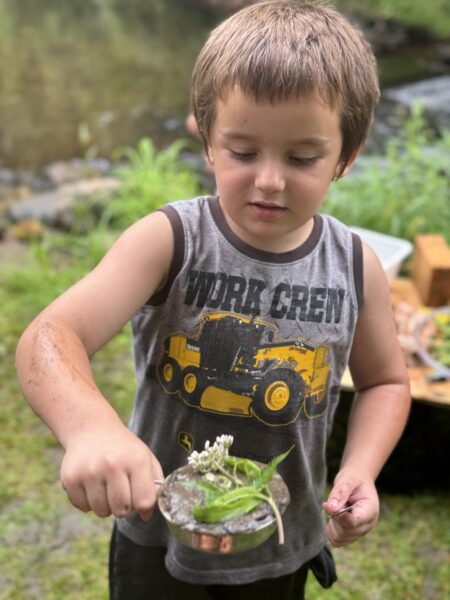
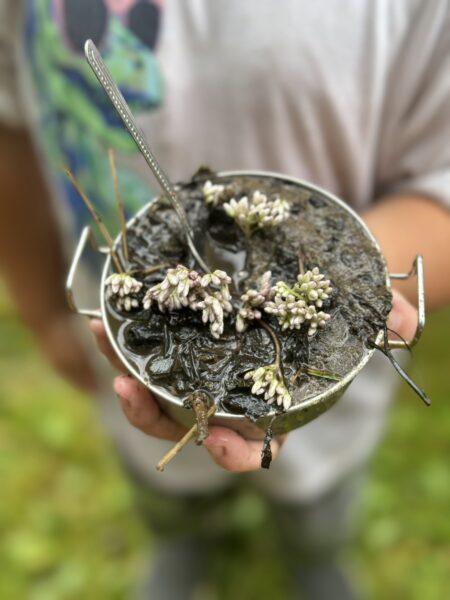
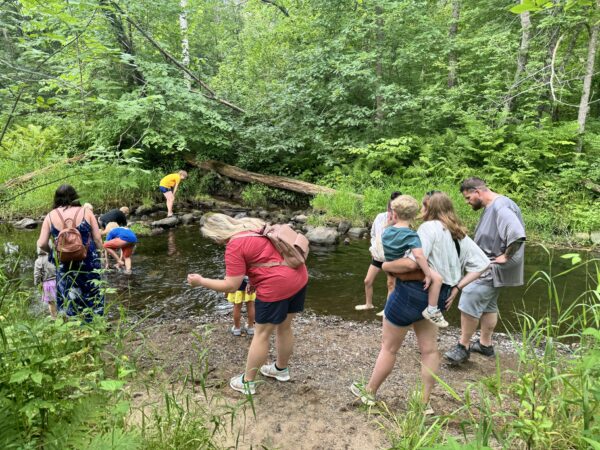
During gardening and nature-based exploration, we observed children instinctively digging, sorting materials, caring for living things, and creating their own systems of discovery. Again and again, children demonstrated that they are deeply motivated by opportunities to interact directly with nature when given freedom to explore independently.
These observations directly influenced the design of Children’s Gardens, creating an environment centered around hands-on exploration, discovery, care-taking, and open-ended interaction with the natural world.
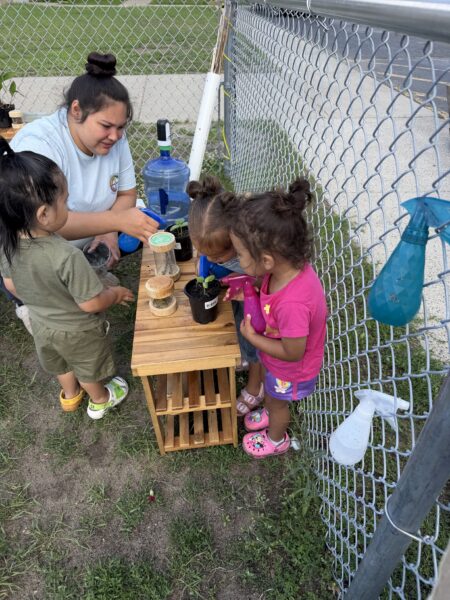
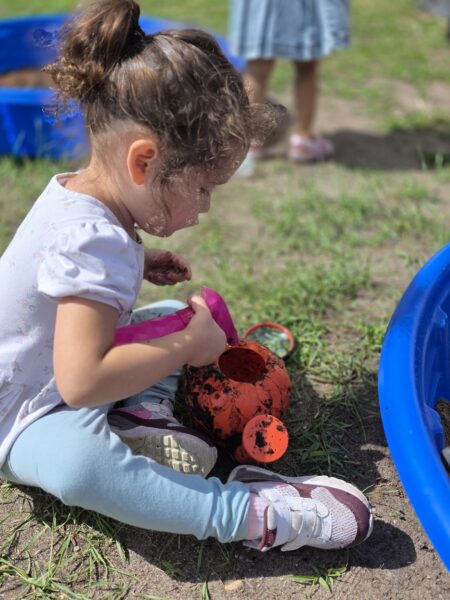
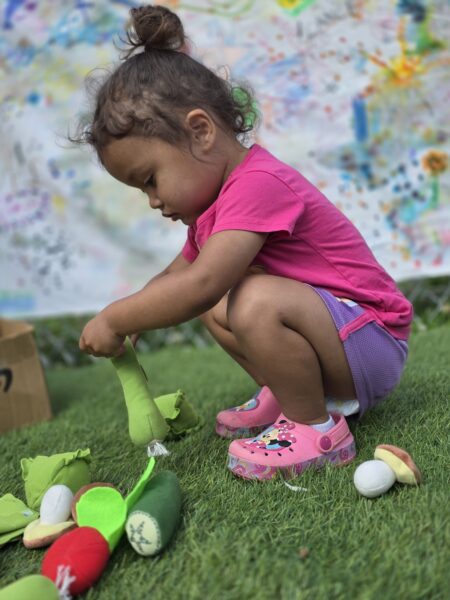
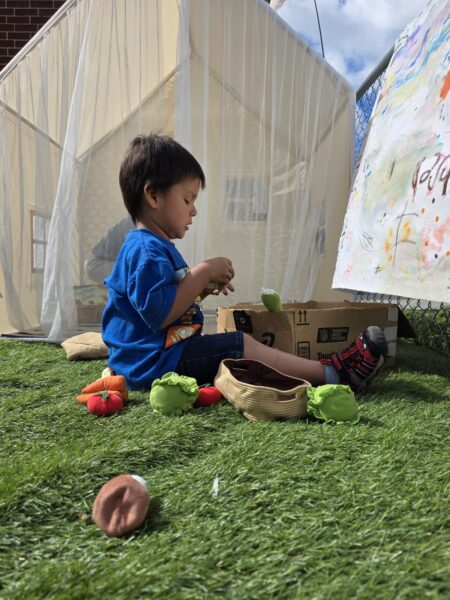
Children taught us just as much about challenge.
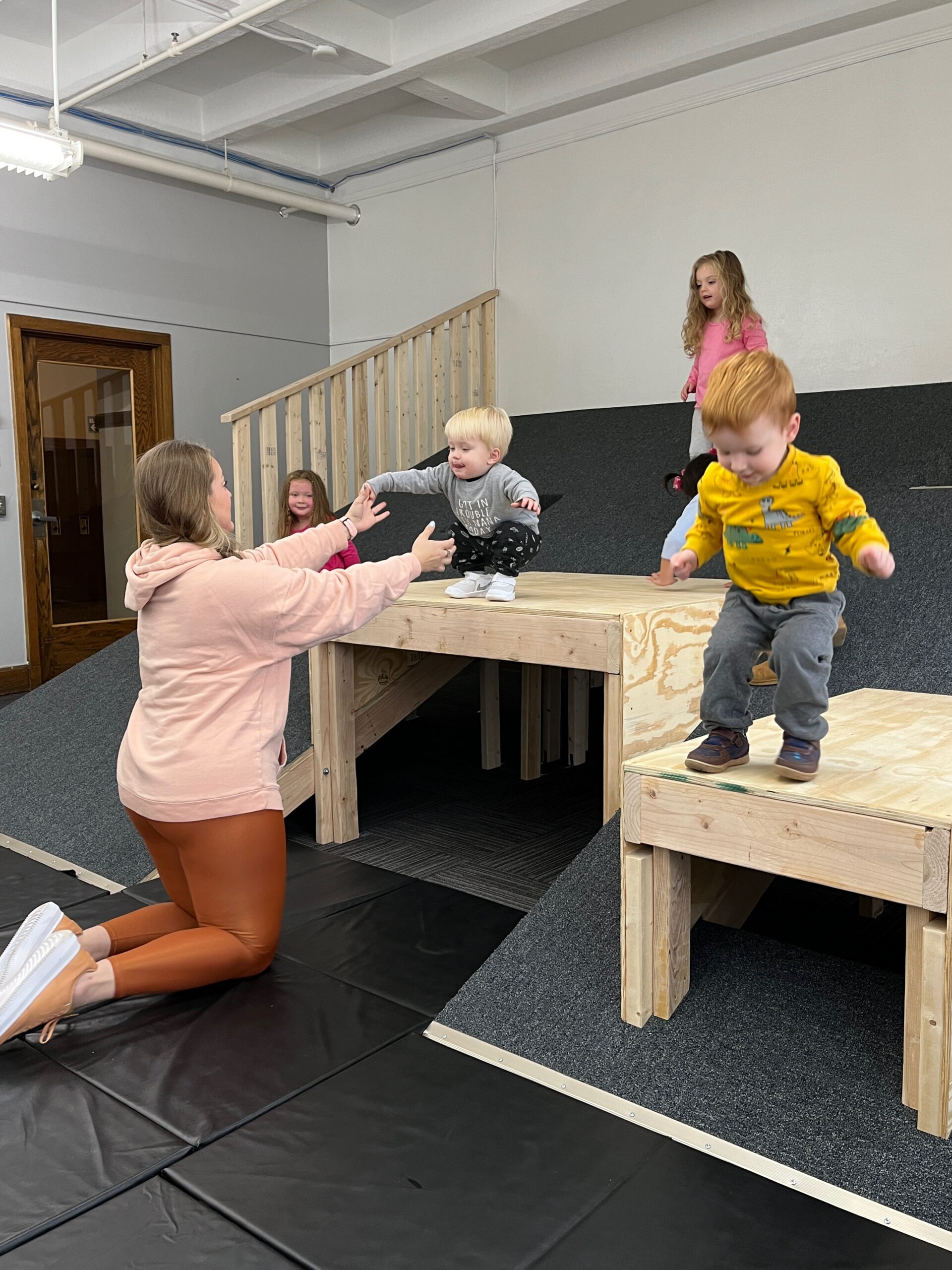
Through years of observation, we consistently saw children seek experiences that pushed their physical abilities further. Climbing higher, balancing carefully, testing uncertainty, and returning repeatedly to challenges that felt difficult but achievable.
What adults often perceive as risk, children repeatedly showed us was something different: confidence-building through challenge.
These observations directly shaped spaces like Roots and Rigging, where physical exploration, movement, and healthy challenge became central design priorities.
Children also showed us that adventure matters.
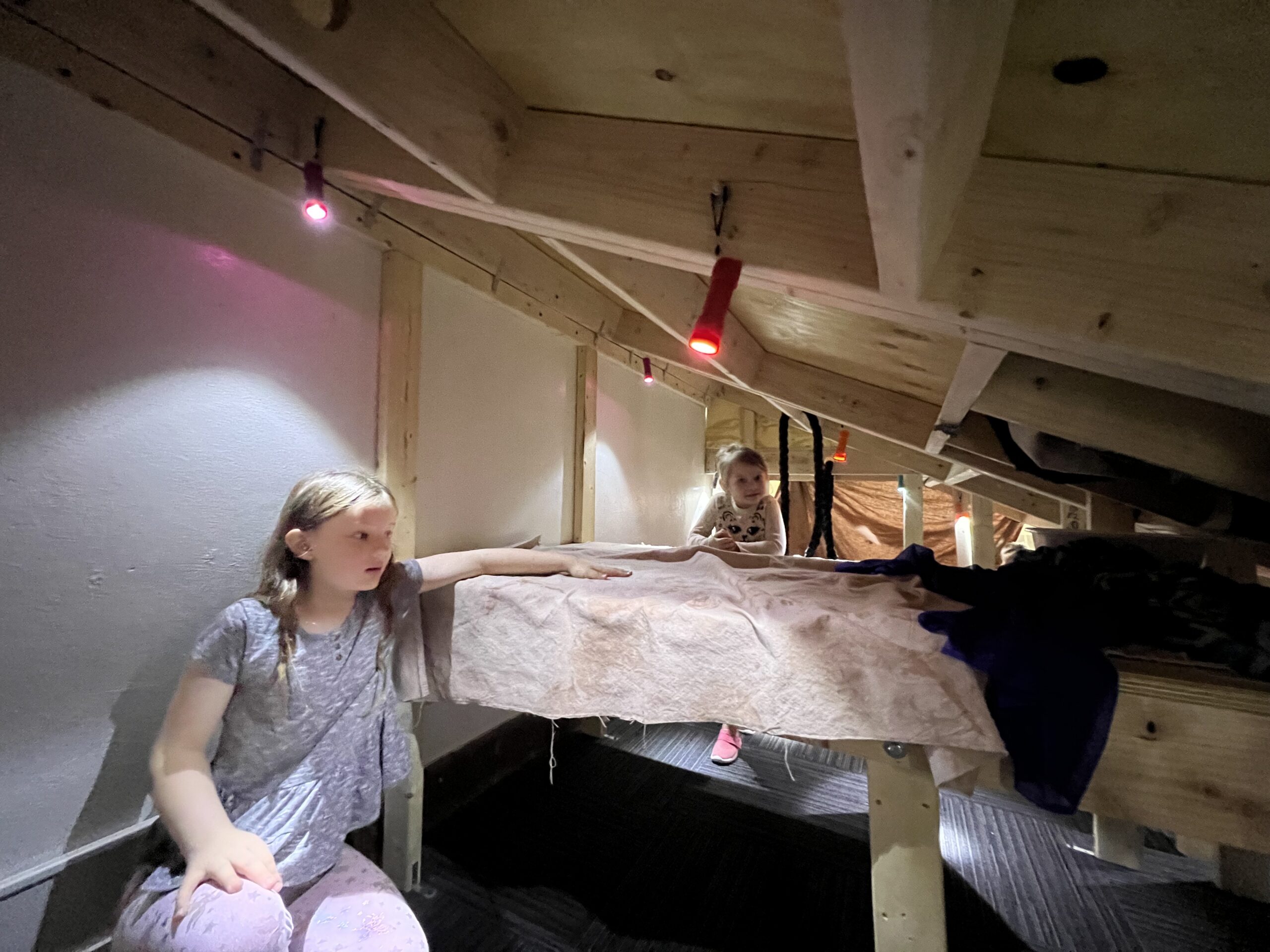
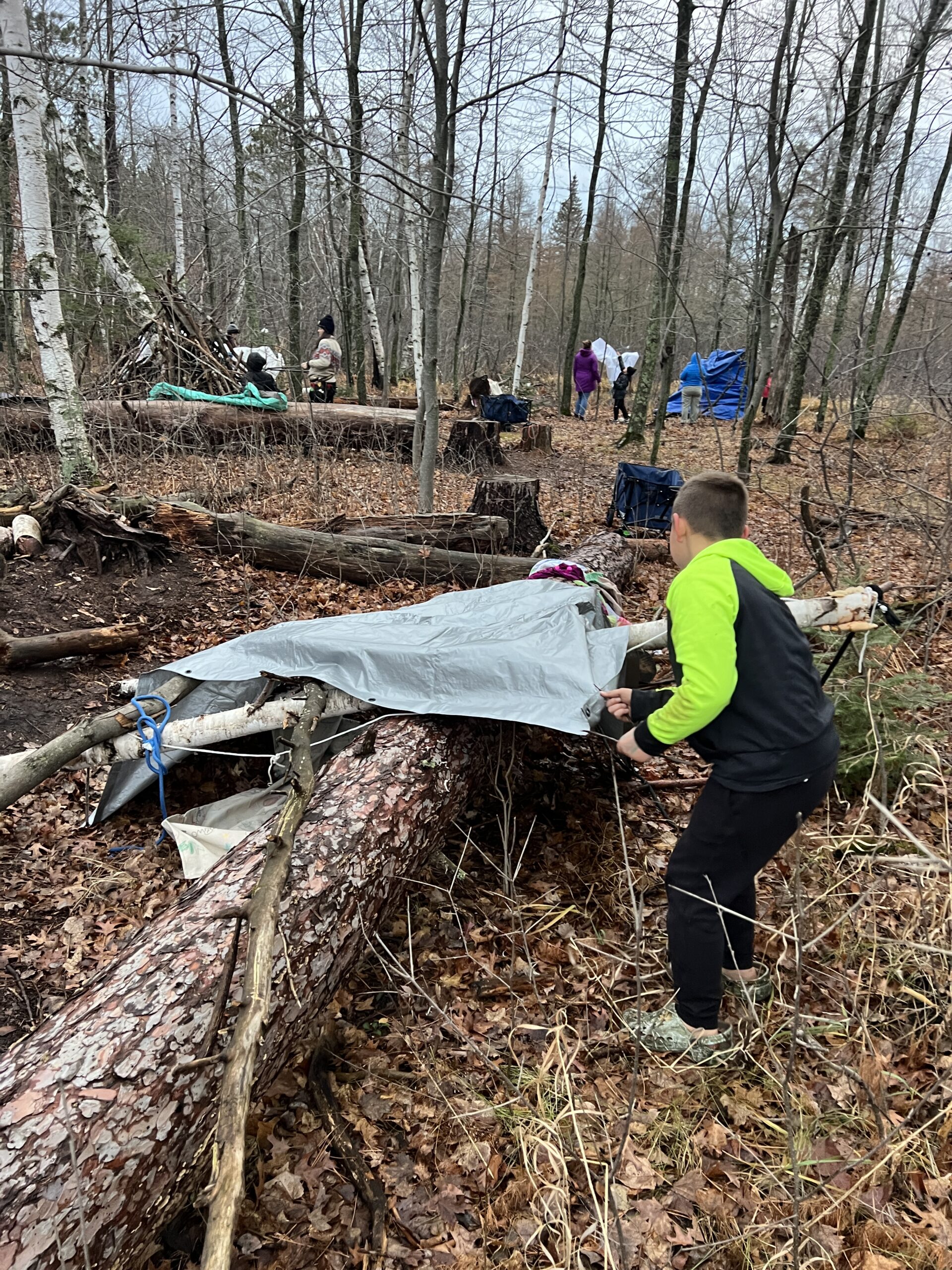
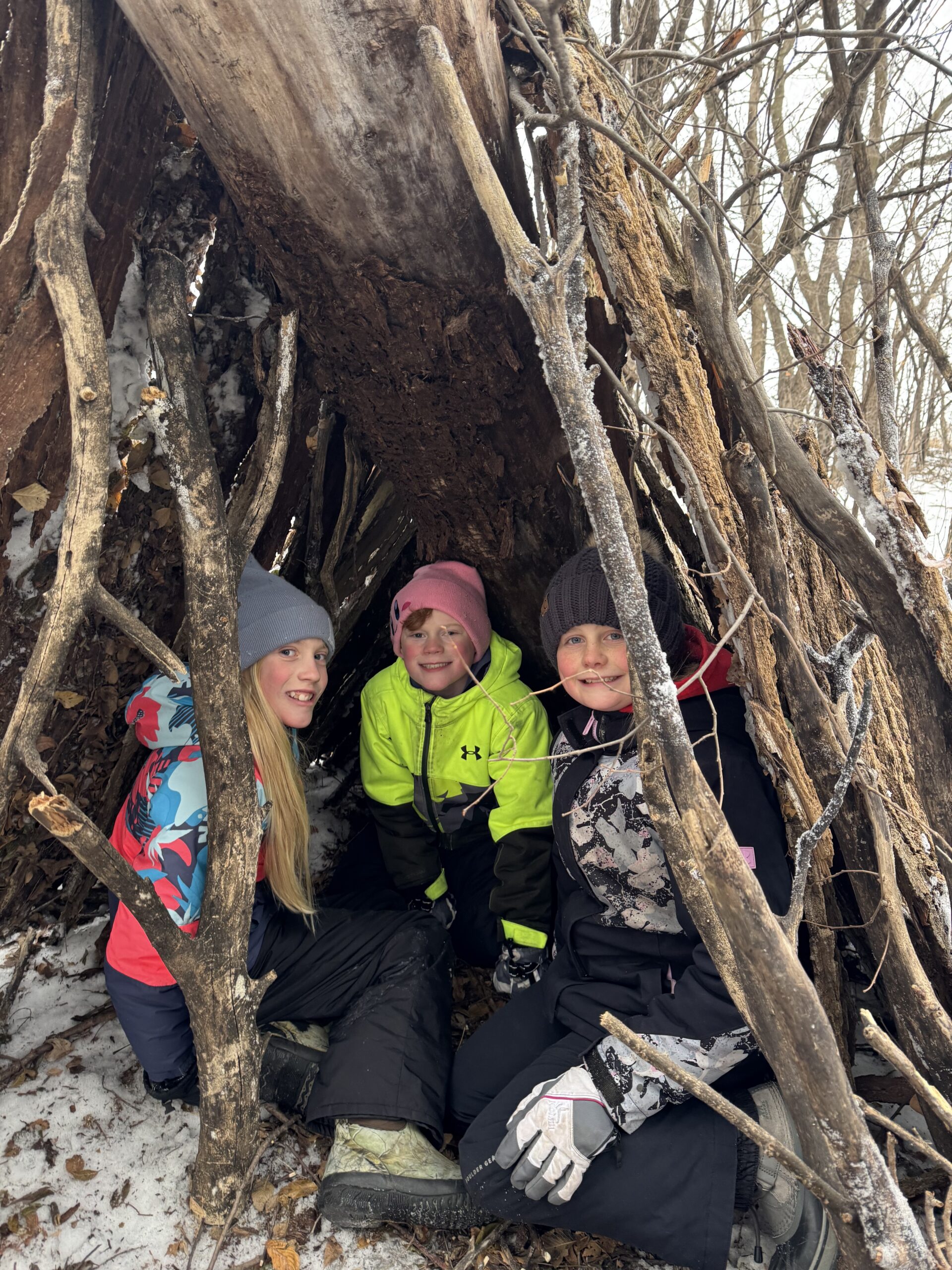
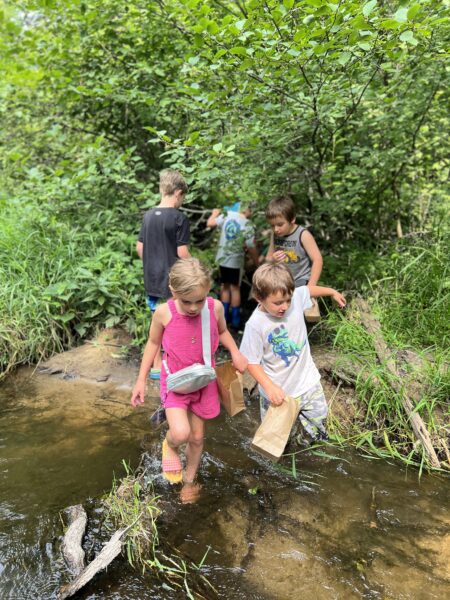
As we observed fort building, hideaway creation, climbing exploration, and imaginative play, one pattern emerged repeatedly: children are drawn to spaces that feel flexible, immersive, and full of possibility. They seek places where they can create boundaries, invent stories, experiment freely, and transform their environment into something entirely their own.
Because of this, WonderTrek intentionally designed environments throughout the museum that prioritize open-ended exploration over rigid instruction.
The most important thing to understand about WonderTrek is this:
The museum was not designed first and tested later.
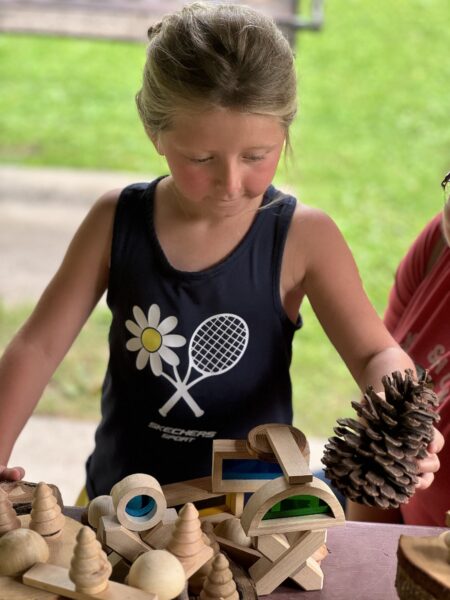
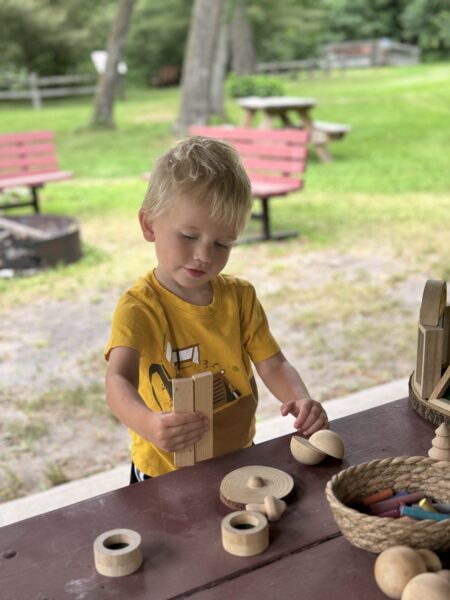
The museum itself has been shaped over years by observing how children naturally engage with challenge, creativity, movement, nature, problem-solving, and discovery.
Every exhibit space reflects choices that were directly influenced by what children showed us. Every environment exists because children helped us understand what meaningful play truly looks like. WonderTrek is not simply a museum built for children. It is a museum built because children showed us how it should be built. And every investment made by our community has helped make that possible. At WonderTrek, we believe the best way to create extraordinary experiences for children is simple:
Listen to children first — then build around what they teach us.
Give to Wonder
The ideas came from children. Now it’s up to all of us to bring them to life. Your gift helps transform these dreams into a museum where every child can discover, create, and belong.